

Wooden vs Metal Easel: Key Differences & Which One to Choose
Choosing the right easel can feel surprisingly overwhelming—especially when you’re torn between a Wooden Easel and a Metal Easel. Maybe you’re worried about stability for larger canvases, confused about which one lasts longer, unsure how much you should really spend, or limited by small workspace at home or in the studio. Every artist—beginner or professional—faces these same concerns, and you’re not alone in wanting to make the right choice instead of an expensive mistake.
That’s exactly why understanding the real differences in the Wooden vs Metal Easel debate matters. The right easel affects your comfort, workflow, creative confidence, and even the quality of your artwork. In this guide, you’ll get clear, side-by-side comparisons, expert insights, practical use cases, and straightforward recommendations to help you choose the easel that truly supports your artistic journey. Let’s make this decision simple—and stress-free.
Wooden vs Metal Easel — A Quick Comparison Overview
 Choosing between a Wooden Easel and a Metal Easel becomes much easier when you can see the differences side by side. Instead of guessing which one will support your style, space, or budget, this quick overview gives you a clear snapshot of what truly sets them apart. Whether you're comparing weight, stability, durability, or overall value, this section will help you quickly understand how each easel performs in real-world use.
Side-by-Side Comparison Table
|
Feature |
Wooden Easel |
Metal Easel |
|
Weight |
Heavier, solid feel |
Lightweight and easy to carry |
|
Stability |
Excellent—ideal for large canvases |
Moderate—can wobble with heavy canvases |
|
Durability |
Long-lasting with proper care |
Durable but may bend or dent over time |
|
Portability |
Limited—best for fixed spaces |
Highly portable, perfect for travel |
|
Maintenance |
Requires polishing & tightening |
Low-maintenance, occasional adjustments |
|
Aesthetic |
Classic, warm, studio-friendly |
Modern, functional, minimal |
|
Best For |
Professionals, studio painting |
Beginners, students, outdoor artists |
Which Easel Fits Which Type of Artist?
Choosing the right easel isn’t just about features—it’s about who you are as an artist and how you work.
- Hobbyist: A lightweight Metal Easel offers flexibility and affordability while you explore your style.
- Student: Metal easels are perfect for quick setup, portability, and classroom use.
- Professional Painter: A Wooden Easel provides the stability, height adjustment, and durability needed for long sessions and larger canvases.
- Outdoor/Sketch Artist: A foldable Metal Easel shines here—easy to pack, carry, and set up anywhere.
- Studio Artist: A sturdy Wooden Easel elevates your workspace and supports heavier materials and larger artwork.
- Traveler: You’ll appreciate the ultra-portable, lightweight convenience of a Metal Easel for painting on the go.
What Is a Wooden Easel? (Features, Pros & Cons)
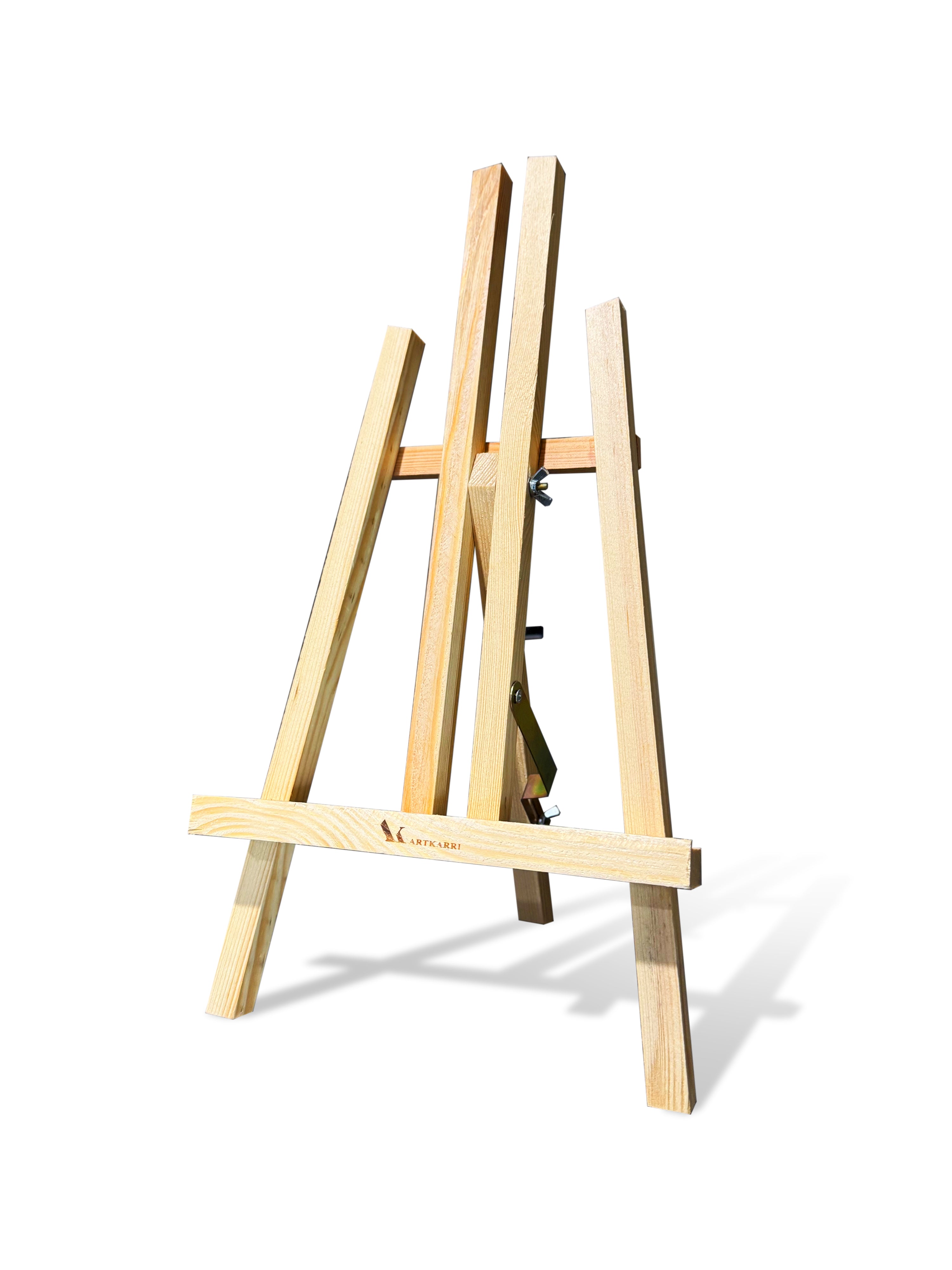
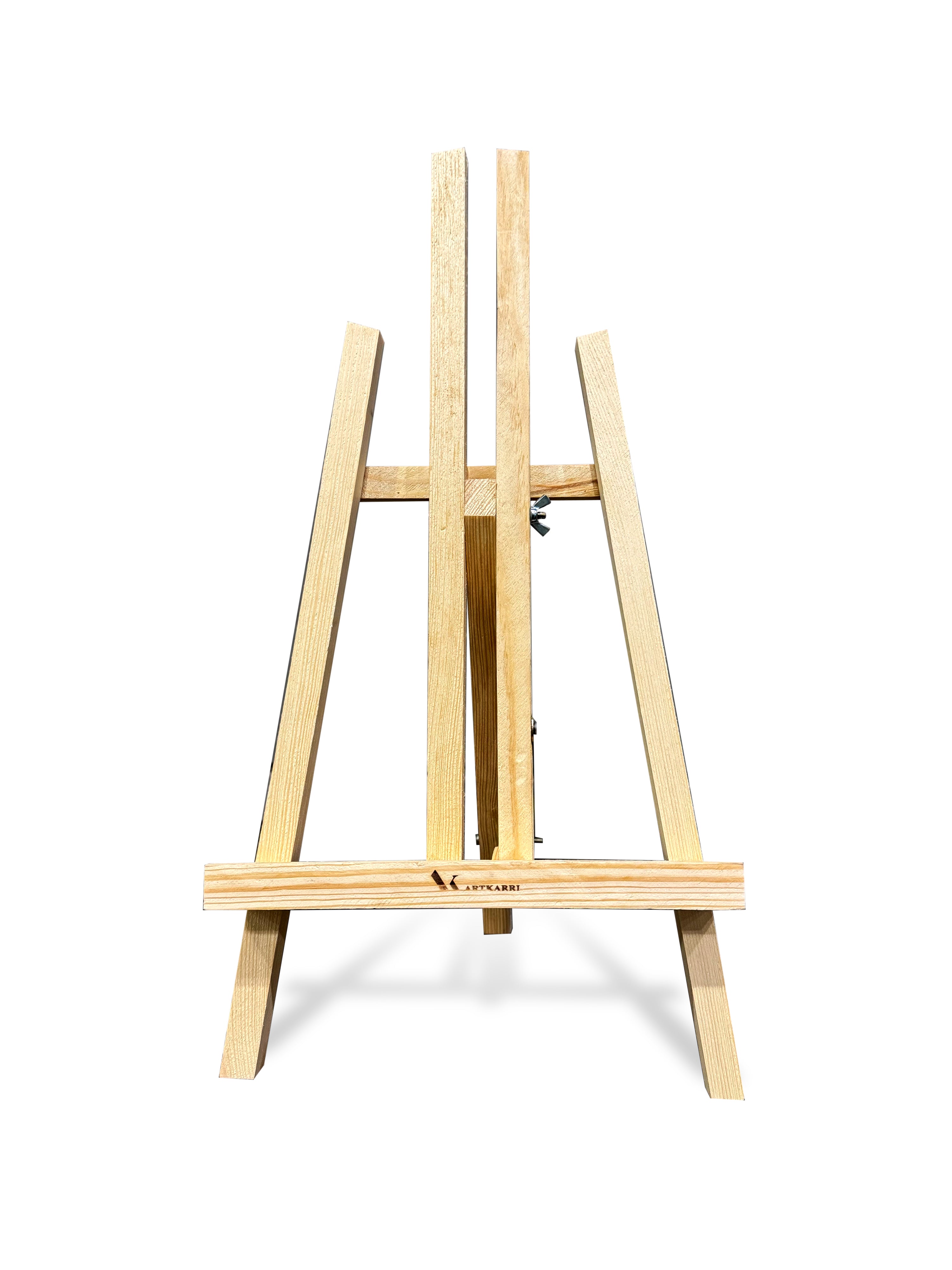
A Wooden Easel is often seen as the classic choice in the Wooden vs Metal Easel comparison—and for good reason. These easels have a timeless, studio-friendly presence that makes many artists feel instantly grounded and connected to their craft. Whether you’re just beginning your artistic journey or you’ve been painting professionally for years, understanding what truly sets a wooden easel apart helps you choose with confidence and avoid costly mistakes.
Key Characteristics of Wooden Easels
- Materials (Beechwood, Oak, Pine): Most wooden easels are made from sturdy hardwoods like beechwood or oak—materials known for their strength and long lifespan. Pine versions exist too, offering budget-friendly options with a lighter feel.
- Classic, Studio-Friendly Design: Wooden easels have a warm, traditional look that enhances any creative space. They're a favourite in home studios, art schools, and professional ateliers.
- Heaviness = Stability: Their heavier build isn’t a drawback—it’s an advantage. The weight gives wooden easels exceptional stability, especially when working with larger canvases or expressive brushstrokes.
Advantages of Wooden Easels
- Exceptional Stability for Large Canvases: If you work big, a wooden easel is your best friend. It stays steady even during intense blending, scrubbing, or layering.
- Long-Term Durability: Wood, especially hardwood, can last for decades with proper care—making it a solid investment for serious artists.
- Aesthetic Appeal for Studios: Wooden easels add warmth and professionalism to your workspace, creating an environment that inspires creativity.
- Better Vibration: Their dense structure reduces shaking or wobbling, allowing smoother lines and finer detail work.
- Often Better Value Long: While sometimes pricier upfront, their durability and stability often make them more cost-effective over time.
Disadvantages of Wooden Easels
- Heavier to Move: The same stability that artists love also means wooden easels can be difficult to transport.
- Requires Occasional Maintenance: A bit of tightening, dusting, or oiling keeps the wood healthy and performing well.
- Can Be More Expensive Depending on Wood Quality: High-end hardwood easels come at a premium—but often deliver superior longevity.
Best Use Cases for Wooden Easels
- Studio Painting: Perfect for artists who paint in a dedicated room or workspace.
- Heavy Brushwork Styles: Ideal for painters who use aggressive strokes or textured techniques.
- Oil & Acrylic Painting: These mediums often require thicker canvases and longer working sessions—something wooden easels support beautifully.
- Artists Needing Long Sessions: Wooden easels provide a stable, comfortable setup that helps reduce fatigue during extended painting hours.
Wooden vs Metal Easel — Key Differences Explained
When you're trying to decide between a Wooden Easel and a Metal Easel, the details truly matter. Each type brings its own strengths, limitations, and ideal use cases. Understanding these differences helps you choose an easel that supports your art style, your working environment, and your long-term goals. Let’s break down the core distinctions in a way that’s simple, honest, and genuinely helpful—so you can make the right choice without second-guessing yourself.
1. Stability & Strength
- Why wooden easels are king for stability: Wooden easels are naturally dense and sturdy, making them the more stable option—especially for large canvases or expressive techniques that require strong pressure. Their solid frame keeps everything steady, helping you focus entirely on your work.
- When metal easels are stable enough: Metal easels offer decent stability for smaller canvases and lighter mediums. They're perfectly fine for sketching, watercolor, or on-the-go painting. However, they can wobble when handling heavy or oversized work.
2. Weight & Portability
- Metal = lightweight: One of the biggest advantages of a Metal Easel is portability. Metal models fold easily, weigh very little, and are ideal for travel, outdoor painting, or classrooms.
- Wooden = sturdy but less portable: A Wooden Easel is heavier, making it less convenient to move around. But that weight translates into strength and reliability—perfect for a fixed studio setup.
3. Durability & Lifespan
- Long-term investment value of wood: High-quality wooden easels, especially those made from beechwood or oak, can last for decades. They age beautifully and become more stable over time as the wood settles.
- Wear-and-tear issues in metal: Metal easels are durable overall, but they can bend, dent, or warp with frequent use—especially cheaper aluminum versions. They’re great for mobility but not always the best long-term investment.
4. Maintenance Requirements
- Wood care (polishing, moisture control): Wooden easels need occasional oiling or polishing to prevent drying and cracking. You may also need to tighten screws and protect them from high humidity.
- Metal care (rust resistance, tightening screws): Metal easels require minimal maintenance—mostly tightening joints and keeping them dry to prevent rust. Stainless steel and aluminum models are easier to manage.
5. Aesthetic & Studio Appeal
- Wooden easels for professional studio look: A Wooden Easel instantly elevates the feel of your workspace. Their warm, natural look brings a sense of craftsmanship and professionalism that many artists love.
- Metal easels for minimalism and utility: Metal Easels offer a clean, modern, practical appearance. They fit well in contemporary spaces and are great for artists who prioritize portability and function over aesthetics.
Which Easel Should You Choose? (Expert Recommendation)
 Now that you understand the core differences between a Wooden Easel and a Metal Easel, it’s time to make the decision that truly aligns with how you create. Every artist has a unique workflow, space, and budget—so there’s no one-size-fits-all answer. Instead, the right choice comes down to your personal priorities: stability, portability, durability, or affordability. Below is a clear, expert-backed breakdown to help you confidently choose the easel that supports your growth and artistic style.
Choose a Wooden Easel if…
- You paint large canvases: Wooden easels handle big, heavy canvases without wobbling or losing balance.
- You prefer stability over portability: The solid, grounded structure gives you a more reliable painting experience.
- You have a dedicated studio space: A wooden easel becomes a permanent, dependable part of your workspace.
- You want long-term durability: With proper care, wooden models can last decades and even become heirloom pieces.
Choose a Metal Easel if…
- You move frequently or paint outdoors: Lightweight and foldable, metal easels are perfect for plein-air painting or travel.
- You’re a beginner or student: Affordable, easy to set up, and versatile enough for early experimentation.
- You need something lightweight and budget-friendly: Metal easels offer great value without sacrificing practicality.
Best Easel Types by Situation
- For beginners: A Metal Easel—portable, budget-friendly, and flexible.
- For a home studio: A Wooden Easel—enhances stability, comfort, and aesthetic appeal.
- For professionals: A high-quality Wooden Easel—built for longevity and large-scale work.
- For traveling artists: A compact Metal Easel—lightweight, foldable, and easy to carry.
-
For watercolor vs oil painting:
- Watercolor: Metal easels with adjustable angles work well for flatter positions.
- Oil Painting: Wooden easels offer the stability needed for thicker strokes and heavier canvases.
Common Mistakes to Avoid When Choosing an Easel
Choosing between a Wooden Easel and a Metal Easel is a big decision—and it’s easy to get overwhelmed by options, prices, features, and marketing claims. The truth is, many artists unintentionally pick the wrong easel, not because they lack skill or knowledge, but because they overlook a few crucial details. To help you avoid frustration, wasted money, and a setup that holds you back creatively, here are the most common mistakes to steer clear of in the Wooden vs Metal Easel decision.
1. Ignoring Canvas Size Compatibility
Not every easel can support every canvas size. Some metal easels struggle with larger works, while certain wooden easels may not adjust low enough for smaller canvases. Always match your easel to the canvas sizes you use most often.
2. Choosing a Flimsy Metal Easel for Heavy Work
While metal easels are fantastic for portability, lightweight models can wobble or bend under the pressure of heavy brushwork or large canvases. If your art style is bold and expressive, you may need the stability that only a wooden easel provides.
3. Buying Wooden Easels Without Checking Adjustability
Not all wooden easels offer full height adjustment or flexible tilting positions. Before investing, make sure the model you choose supports the angles and working positions you prefer—especially for long painting sessions.
4. Not Considering Future Growth as an Artist
Your needs today may not be your needs a year from now. Maybe you’ll start painting bigger, travel more, or shift mediums. Choose an easel that allows room for growth so you don’t find yourself replacing it too soon.
How to Care for Wooden and Metal Easels (Extend Lifespan)
 Investing in a Wooden Easel or a Metal Easel is more than just buying a tool—it’s investing in years of creative work. Proper care not only extends the lifespan of your easel but also ensures a stable, reliable, and enjoyable painting experience every time you sit down to create. Neglecting maintenance can lead to wobbling, warping, rust, or even structural damage, which can interrupt your workflow and cause frustration. Understanding the right care techniques for both types of easels ensures your investment continues to support your art, whether in a studio or on the go.
Wooden Easel Maintenance Tips
- Oil Finishing: Periodically apply wood oil or polish to prevent drying, cracking, and to maintain a smooth, professional finish.
- Screw Tightening: Regularly check and tighten screws to keep the easel stable and safe during heavy painting sessions.
- Moisture Protection: Avoid exposing wooden easels to excessive humidity or direct water, which can warp or weaken the frame over time.
Metal Easel Maintenance Tips
- Rust Prevention: Wipe down metal surfaces after use, especially if painting outdoors or in humid conditions, to prevent corrosion.
- Joint Tightening: Ensure all screws, bolts, and hinges are secure to maintain stability and prevent wobbling.
- Safe Folding/Storage Tips: Fold metal easels carefully and store them in a dry place to avoid bending or damaging moving parts.
Conclusion
Choosing between a Wooden Easel and a Metal Easel doesn’t have to feel overwhelming. When you break it down, the biggest differences come down to stability, portability, durability, and cost. Wooden easels offer unmatched strength and longevity, while metal easels shine in convenience and mobility. But ultimately, the “best” easel is the one that aligns with your artistic goals, your workspace, and the way you love to paint.
Whatever you choose, trust that you’re moving closer to the creative setup you deserve. Don’t let decision anxiety hold you back—explore your easel options, dive into more guides, and start creating with confidence. Your art journey grows stronger from here.
FAQs
1. Is a wooden easel better than a metal easel?
It depends on your needs. Wooden easels excel in stability, durability, and professional studio use, especially for large canvases and long painting sessions. Metal easels are lightweight, portable, and budget-friendly, making them ideal for beginners, students, or outdoor artists.
2. Do wooden easels last longer than metal ones?
Yes. High-quality wooden easels, especially those made from hardwoods like oak or beech, can last for decades with proper care. Metal easels are durable but may bend, dent, or experience wear over time, especially with heavy use.
3. Are wooden easels worth the higher cost?
For artists prioritizing stability, durability, and long-term use, Wooden Easels are worth the investment. While they cost more upfront, they often provide better performance and last far longer than most metal alternatives.